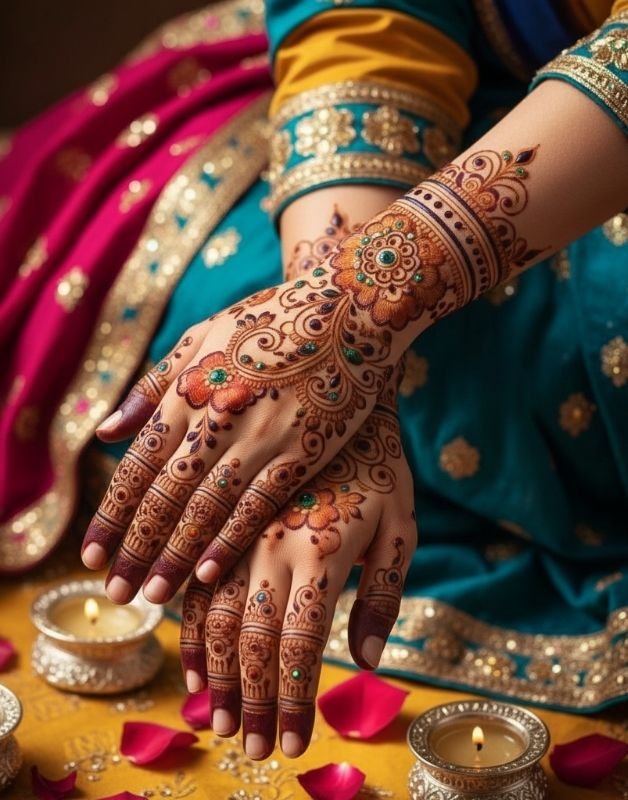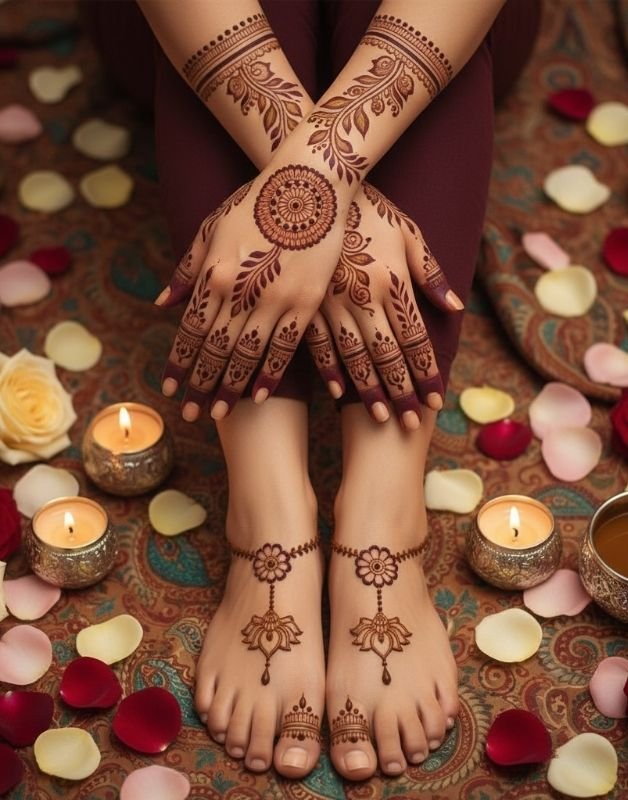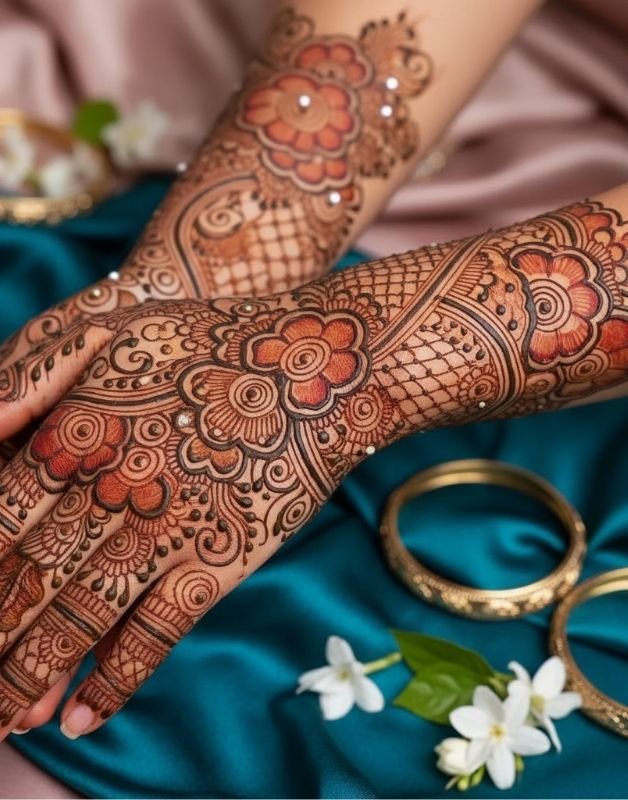
The mehndi design of Arabic has long been admired for its elegant flow and artistic charm. With bold lines, graceful trails, and floral patterns, it remains one of the most loved henna styles worldwide. Whether it’s for a wedding, Eid, or casual event, Arabic mehndi brings out sophistication and cultural beauty in every stroke.
Unlike other detailed henna forms, this design focuses on simplicity and boldness. The balance between open spaces and striking patterns makes it look both traditional and contemporary — a perfect choice for every occasion.
The Timeless Appeal of Arabic Mehndi Art
The beauty of Arabic mehndi lies in its simple elegance. The flowing lines, floral vines, and defined spaces create a design that looks effortless yet captivating. Its open layout makes the pattern stand out beautifully on all skin tones, perfect for modern minimalism or traditional celebrations.
Every mehndi design of Arabic showcases creativity and balance. The use of geometric shapes, flowers, and leaves results in a clean yet artistic look that enhances the natural beauty of the hands.
The History and Origin of Arabic Mehndi
Arabic mehndi art originated centuries ago in the Middle East, where henna was used as a symbol of joy and blessing. Over time, it spread across regions like India, Pakistan, and North Africa, evolving into many variations.
The mehndi design of Arabic has since become a fusion of classic and modern elements, loved for its versatility and timeless appeal. Today, it’s used not only for weddings and Eid but also for fashion shoots and festive parties.
Key Features of Mehndi Design of Arabic
1. Bold Outlines
The strong, dark outlines are a hallmark of Arabic mehndi. They give structure to the design and make floral or leafy elements pop beautifully.
2. Balanced Use of Space
Unlike fully filled Indian designs, Arabic mehndi leaves empty areas that highlight the elegance of the art.
3. Flowing Floral Trails
Floral patterns, leaves, and vines are the core of every mehndi design of Arabic, adding natural beauty and fluidity to the artwork.
4. Symmetry and Simplicity
Arabic mehndi emphasizes balance and symmetry, ensuring the design flows naturally without looking crowded.
5. Versatility
This mehndi style suits every occasion — from casual get-togethers to grand bridal celebrations.
Popular Types of Mehndi Design of Arabic
1. Simple Arabic Mehndi
For those who prefer light and easy designs, simple Arabic mehndi offers floral chains, leaves, and dots that are elegant yet quick to apply.
2. Bridal Arabic Mehndi
Bridal styles are more detailed, featuring paisleys, roses, and geometric borders. A mehndi design of Arabic for brides covers the hand and wrist beautifully, adding a touch of glamour.
3. Half-Hand Arabic Mehndi
Half-hand designs cover only part of the palm and fingers, giving a trendy, modern appearance suitable for smaller functions.
4. Back Hand Arabic Mehndi
Back hand designs are known for their graceful look. Floral trails start from the finger and move towards the wrist — perfect for both traditional and modern outfits.
5. Finger Arabic Mehndi
Decorating only the fingers with delicate patterns and dots is a growing trend. It’s minimal yet chic, great for everyday wear.
6. Full-Hand Arabic Mehndi
Full-hand designs are ideal for brides and festive events. They include detailed floral swirls and shading for a bold, rich look.
7. Fusion Arabic Mehndi
This modern twist combines Arabic elements with mandala or Moroccan styles, creating unique patterns that are popular in 2025.
Mehndi Design of Arabic for Every Occasion
1. Weddings
For brides, the mehndi design of Arabic symbolizes love, joy, and new beginnings. The clean yet bold look enhances bridal beauty without overwhelming it.
2. Eid and Festivals
During Eid, simple Arabic mehndi is most popular. The designs are quick to apply and dry fast while leaving a dark, rich color.
3. Engagements
For engagements, light floral or bracelet-style mehndi gives a graceful and stylish appearance.
4. Casual Events
A single floral trail or minimal vine design adds a touch of charm even to everyday gatherings or friendly meet-ups.
Trending Mehndi Design of Arabic Styles in 2025
1. Minimalist Designs
Simple patterns with thin lines and elegant spacing define this trend. They’re easy to create and match all kinds of outfits.
2. Shaded Arabic Mehndi
A popular choice for modern brides, shaded petals and leaves give a 3D effect to the mehndi design of Arabic.
3. Jewelry-Inspired Patterns
Bracelet and ring-like mehndi patterns are a major trend. They resemble jewelry and are ideal for parties and pre-wedding events.
4. Glitter Arabic Mehndi
Adding glitter to Arabic designs enhances their beauty, especially for evening events.
5. Dual-Tone Designs
The use of both red and black henna gives depth and contrast, creating a modern and artistic look.
Tips for Applying Mehndi Design of Arabic Perfectly
1. Clean Skin Before Application
Wash and exfoliate your hands before applying mehndi to ensure it lasts longer.
2. Use Fresh Henna Paste
Fresh paste results in a darker and more vibrant stain. You can mix lemon juice or essential oils to improve the texture.
3. Maintain Balance
Avoid overcrowding the design — Arabic mehndi looks best when there’s space between elements.
4. Let It Dry Naturally
Allow your mehndi to dry naturally for several hours before scraping it off.
5. Use a Sugar-Lemon Mix
After drying, apply a sugar-lemon solution to deepen the color.
6. Avoid Water Early On
Keep your hands dry for at least 6–8 hours after removing the paste to achieve a deep stain.
Mehndi Design of Arabic Ideas for Hands, Feet, and More
1. Hands
The most common area for mehndi design of Arabic is the hand. Front and back designs with vines and flowers remain evergreen choices.
2. Feet
Arabic mehndi on feet includes diagonal trails, anklet-like borders, and floral patterns that complement festive looks.
3. Arms
For brides, extending mehndi up to the arms adds elegance and completes the bridal look.
4. Shoulders and Back
Arabic mehndi is now being used as a stylish alternative to tattoos, especially on the shoulders or back for a modern, bold statement.
How to Make Mehndi Design of Arabic Last Longer
- Don’t wash your hands for 24 hours after applying mehndi.
- Apply a small amount of coconut or olive oil once the paste is removed.
- Keep your hands warm — heat helps darken the color.
- Avoid soaps and sanitizers for at least two days.
Following these steps will ensure your mehndi design of Arabic remains dark and vibrant for up to two weeks.
Why Mehndi Design of Arabic Is Loved Worldwide
Arabic mehndi stands out because of its simplicity, elegance, and cultural charm. The designs are versatile, easy to apply, and complement every outfit.
Each mehndi design of Arabic reflects grace, femininity, and artistic beauty — making it a universal favorite across generations. From minimal vines to full bridal patterns, it’s a timeless tradition that continues to evolve with modern trends.
Final Thoughts
The mehndi design of Arabic is not just body art; it’s a form of expression that celebrates beauty, joy, and tradition. From its bold outlines to delicate floral patterns, every detail represents timeless elegance.
Whether you’re a bride, a festival-goer, or simply love henna art, Arabic mehndi will always be a symbol of class and creativity. Let your hands tell a story of culture and charm with this stunning art form that never goes out of style.