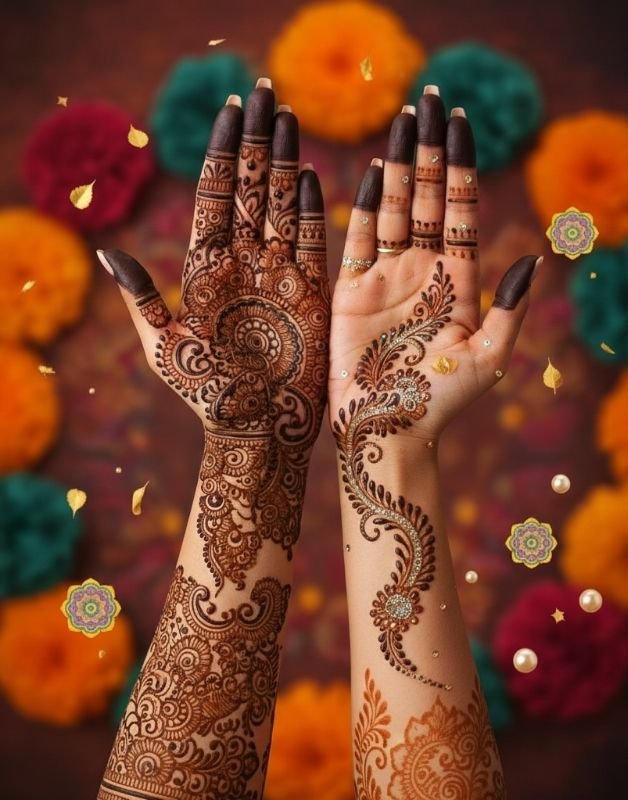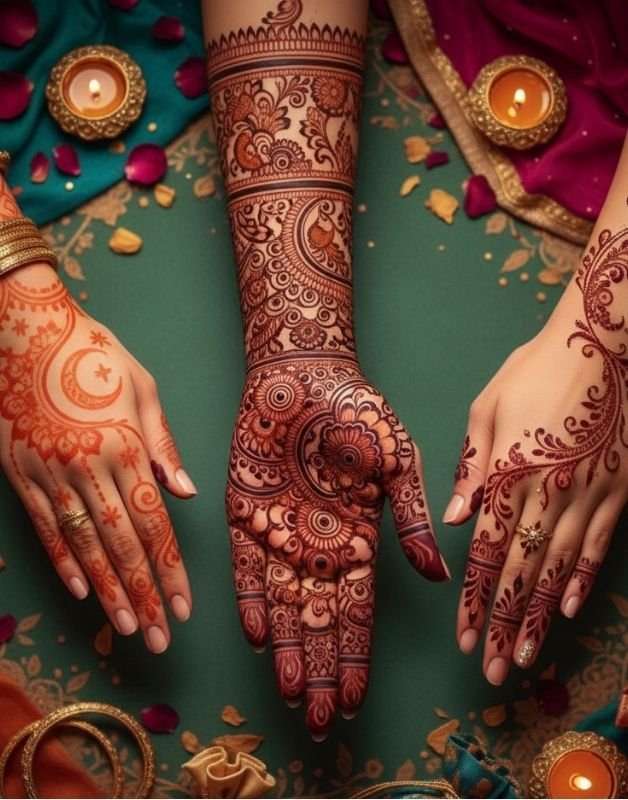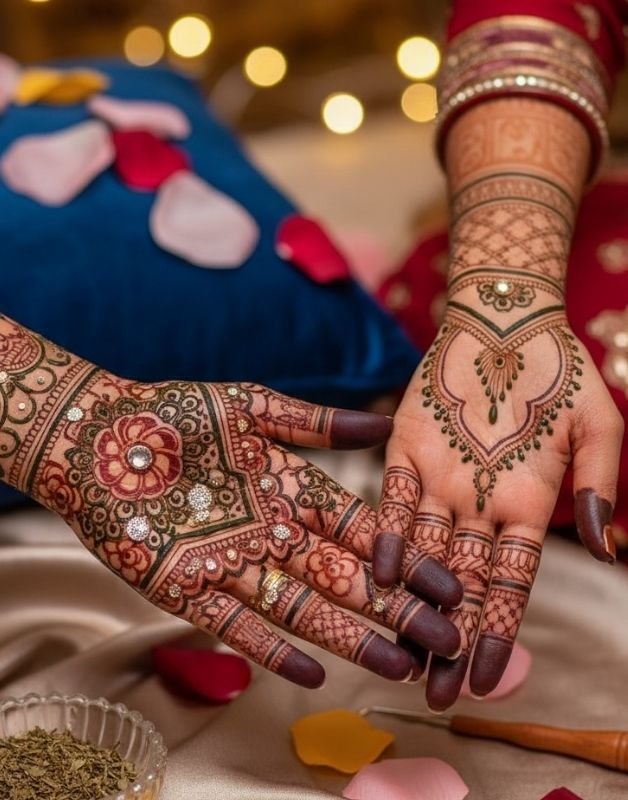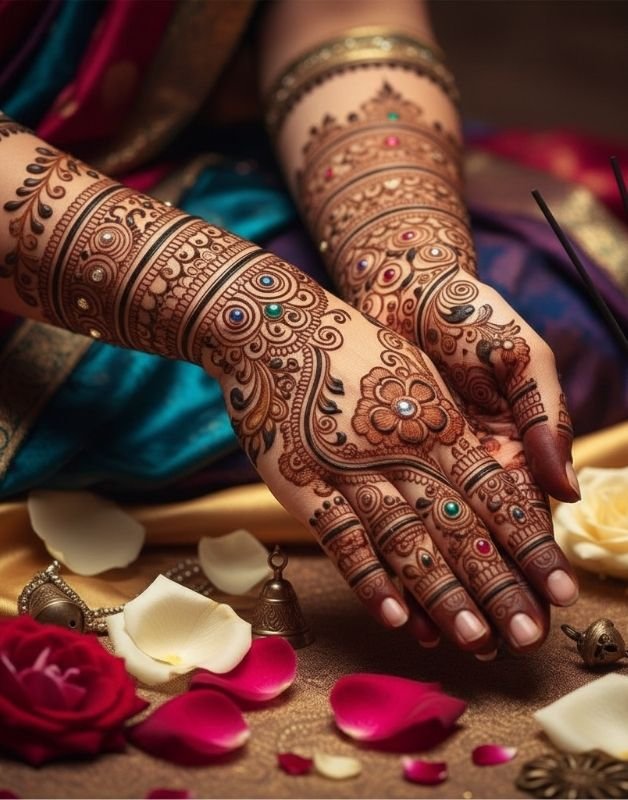
Henna has always been more than just body art it’s a form of expression, celebration, and tradition passed down through generations. Whether it’s a festival, wedding, or special occasion, applying henna on hands symbolizes beauty, love, and joy. The intricate lines, curves, and floral patterns not only enhance your appearance but also tell a personal story through art.
The Significance of Henna on Hands
Henna has deep cultural roots and carries different meanings across the world.
1. A Symbol of Joy and Celebration
Applying henna on hands is a beloved tradition during weddings, Eid, Diwali, and other joyful occasions. It represents blessings, happiness, and the start of new beginnings.
2. An Expression of Art and Identity
From minimalist to intricate styles, henna allows everyone to express themselves creatively. Each pattern mirrors personal taste, emotion, and artistry.
3. Natural and Spiritual Connection
Henna is made from the Lawsonia inermis plant. Its natural cooling properties are believed to calm the body and mind making it both artistic and therapeutic.
Different Styles of Henna on Hands
Across cultures and eras, henna designs have evolved into various styles each with its unique charm. Here are the most popular types of henna on hands you can explore.
1. Arabic Henna Designs
Arabic designs are bold, elegant, and known for their free-flowing patterns. They feature large floral motifs and leafy trails, often leaving open spaces to create a modern, airy look.
Perfect for: Quick applications, casual functions, or elegant evening events.
Tip: Apply thicker outlines and keep spacing between designs for a striking effect.
2. Indian Henna Designs
Indian henna is intricate, detailed, and filled with symbolism. Common motifs include peacocks, paisleys, mandalas, and fine lace-like details that cover the entire hand.
Perfect for: Weddings, engagements, and traditional festivals.
Tip: Combine fine lines and filled fingertips for a luxurious bridal look.
3. Pakistani Henna Designs
Pakistani henna blends Indian detail with Arabic flow. These designs usually feature symmetrical patterns with medium density balancing elegance with tradition.
Perfect for: Brides and festive occasions like Eid or cultural ceremonies.
Tip: Use delicate vines with half floral trails to achieve a graceful, balanced design.
4. Moroccan Henna Designs
This style stands out for its geometric shapes, symmetry, and clean lines. Instead of florals, Moroccan henna uses diamonds, triangles, and grids to form a structured look.
Perfect for: Minimalists or those who prefer modern, non-floral designs.
Tip: Pair bold black henna with geometric patterns for an edgy appeal.
5. Western or Contemporary Henna
Modern henna artists often experiment with fusion designs that combine traditional motifs with contemporary art like feathers, mandalas, or celestial patterns.
Perfect for: Photoshoots, beach parties, and modern fashion events.
Tip: Try white or glitter henna for a trendy and elegant twist.
Trending Patterns for Henna on Hands
Henna art evolves with time, blending creativity and culture. Here are the latest and most loved trends in henna on hands for 2025.
1. Minimalist Henna
Minimalist designs focus on simplicity often a single flower, leafy trail, or geometric line on the wrist or fingers.
Trend Tip: Apply a single mandala on the back of the hand for a clean and chic look.
2. Mandala Patterns
The mandala, a spiritual symbol representing balance and wholeness, is a timeless favorite. Its circular symmetry looks beautiful on palms or backs of hands.
Trend Tip: Add vines around your mandala to extend the design naturally.
3. Negative Space Henna
Negative space mehndi uses skin gaps intentionally to create contrast. It’s modern, lightweight, and ideal for summer events or photoshoots.
Trend Tip: Combine floral trails with blank outlines for a soft, stylish design.
4. Jewelry-Inspired Henna
Bracelet and ring-style designs are in vogue! These mimic jewelry accessories and highlight the natural structure of your hands.
Trend Tip: A chain-like pattern from wrist to finger looks elegant and modern.
5. Shaded and 3D Henna
Artists now use shading techniques to create a 3D illusion. It adds depth and realism to traditional henna motifs.
Trend Tip: Pair shaded roses with leaves for a rich, textured design.
Placement Ideas for Henna on Hands
The placement of henna on hands determines the style and visual flow. Whether you want a full-hand design or a minimalist pattern, placement makes a big difference.
1. Front Hand Designs
The front side of the hand is a popular spot for detailed designs perfect for intricate floral and mandala patterns.
Design Idea: Begin from the fingertips, continue down the palm, and end at the wrist.
2. Back Hand Designs
Back-hand henna is modern and elegant. It often features trails, chains, or ring patterns that highlight jewelry.
Design Idea: Create a floral centerpiece with fine lines extending toward the fingers.
3. Finger Henna
Decorating just the fingers is one of the most trending minimalist styles. Small dots, vines, or symmetrical lines look simple yet graceful.
Design Idea: Apply leaf trails on each finger for a delicate finish.
4. Full-Hand Designs
Full-hand henna covers both palms and forearms. It’s typically used for brides or festive celebrations and includes detailed motifs.
Design Idea: Combine paisleys, peacocks, and florals for a rich traditional appearance.
How to Apply Henna on Hands: Step-by-Step Guide
Applying henna on hands is a creative process that anyone can master with patience and practice.
Step 1: Prepare Your Hands
Wash your hands with soap to remove oil or dirt. Dry them completely for better color absorption.
Step 2: Choose a Design
Start with a simple pattern if you’re new to henna. Floral vines or geometric trails are great for beginners.
Step 3: Prepare or Buy Quality Henna
Use natural, chemical-free henna paste. Homemade paste often gives darker stains and lasts longer.
Step 4: Apply the Design
Use a fine-tipped cone. Keep your hand steady and apply gentle pressure for smooth lines. Begin from the fingertips and move toward the wrist.
Step 5: Let It Dry Naturally
Allow the paste to dry for at least 5–6 hours. Avoid touching or flexing your hands too much during this period.
Step 6: Seal the Color
Once the henna dries slightly, apply a lemon-sugar mixture with cotton to enhance the stain.
Step 7: Remove and Wait
Scrape off the dried paste don’t wash with water immediately. Let the color deepen over 24 hours for a rich, reddish-brown tone.
Tips for Dark and Long-Lasting Henna Color
- Use natural henna paste — avoid instant or chemical cones.
- Keep your hands warm — heat helps darken the color.
- Apply lemon-sugar sealant for richer stains.
- Avoid water for the first 24 hours after removing the paste.
- Moisturize with coconut or olive oil to protect the design.
- Avoid soap or chlorine as they can fade the henna quickly.
Creative Ideas for Henna on Hands
Want your henna to stand out? Try these creative ideas:
- Floral Trails: Elegant vines that move from fingers to wrists.
- Heart Motifs: Perfect for engagements and weddings.
- Butterflies and Feathers: Soft and feminine for casual looks.
- Name Initials: Add hidden initials of loved ones in your bridal mehndi.
- Henna Bracelets: Circular designs wrapping the wrist like jewelry.
Each of these ideas adds a personal and meaningful touch to your henna on hands.
Henna on Hands for Every Occasion
Henna can be adapted for any event or personal style.
1. Weddings
Bridal henna is detailed, luxurious, and symbolic of love and prosperity. It often includes traditional motifs and personalized initials.
2. Festivals
Eid, Diwali, and Karva Chauth are incomplete without henna! Floral and paisley motifs are most popular for these celebrations.
3. Engagements and Parties
Modern brides and guests prefer elegant, mid-hand designs with floral trails or shaded patterns.
4. Casual Days
Minimalist designs or finger trails are great for everyday wear. They add charm without being too bold.
Cultural Meaning of Henna on Hands Around the World
Henna has been part of human culture for thousands of years.
- India & Pakistan: Symbol of joy, blessings, and marital happiness.
- Middle East: Represents protection, beauty, and elegance.
- Africa: Used for celebrations and as a sign of good fortune.
- Western World: Seen as a fashion statement and body art trend.
Despite cultural differences, henna on hands always represents positivity and beauty.
DIY Simple Henna Design You Can Try
Here’s a beginner-friendly henna design you can practice at home:
- Start with a small flower in the center of your palm.
- Draw thin vines extending toward the fingers.
- Add small dots and leaves for decoration.
- Finish with a ring-like pattern around the wrist.
This design is simple, elegant, and ideal for anyone new to henna art.
Common Mistakes to Avoid When Applying Henna
- Applying lotion before henna it prevents color absorption.
- Washing hands too soon after removing paste.
- Using expired or pre-mixed chemical cones.
- Rubbing the dried paste instead of scraping it off.
- Not giving enough drying time before sleeping.
Avoiding these mistakes ensures your henna on hands stays dark and long-lasting.
Final Thoughts
Applying henna on hands is more than a beauty ritual it’s an artistic expression deeply connected to joy, culture, and creativity. Whether you choose intricate Indian motifs, bold Arabic trails, or minimalist modern designs, henna always adds a special charm to your look.
From bridal celebrations to casual gatherings, henna continues to unite tradition and style in a way no other art form can. So, the next time you hold a henna cone, remember each stroke is a reflection of your individuality and a celebration of timeless beauty.