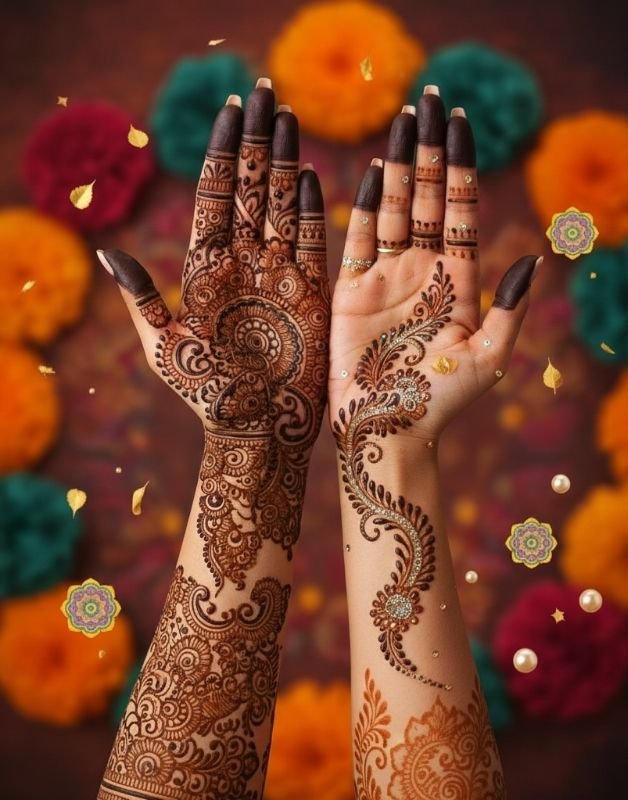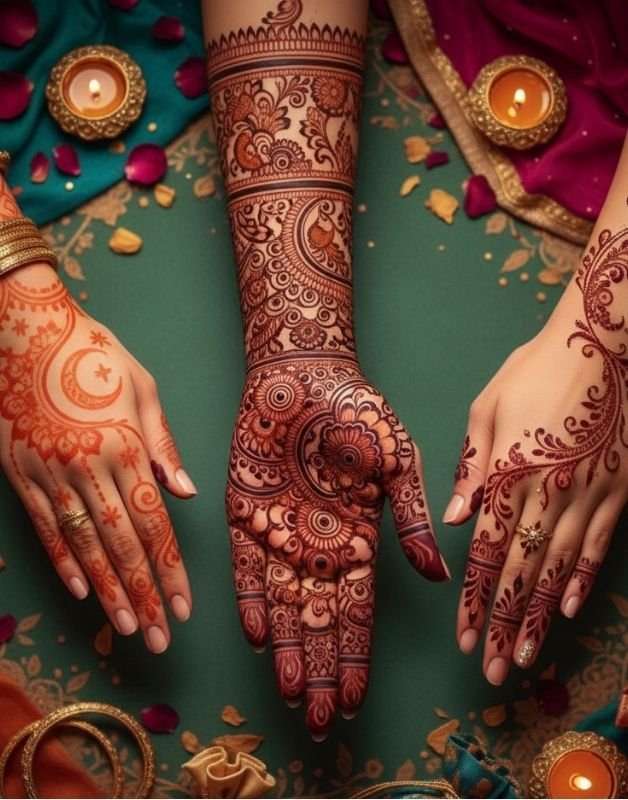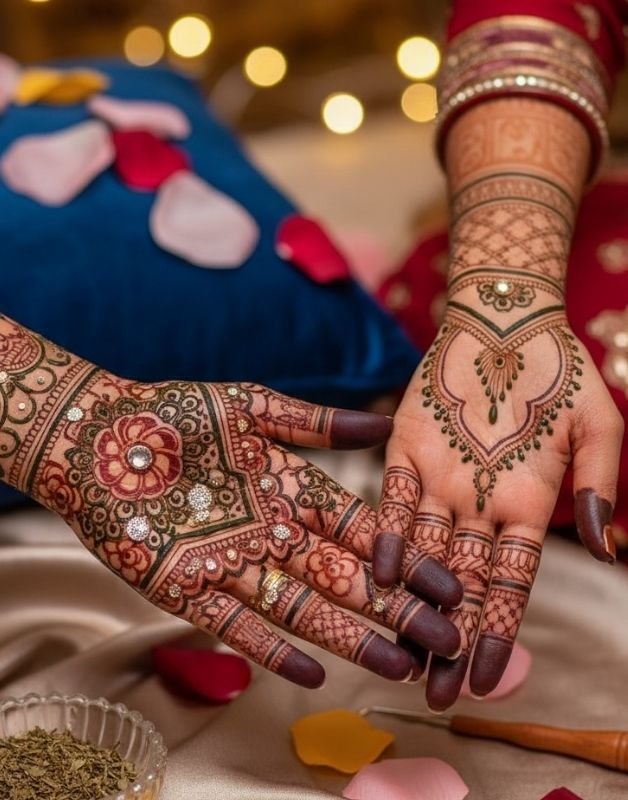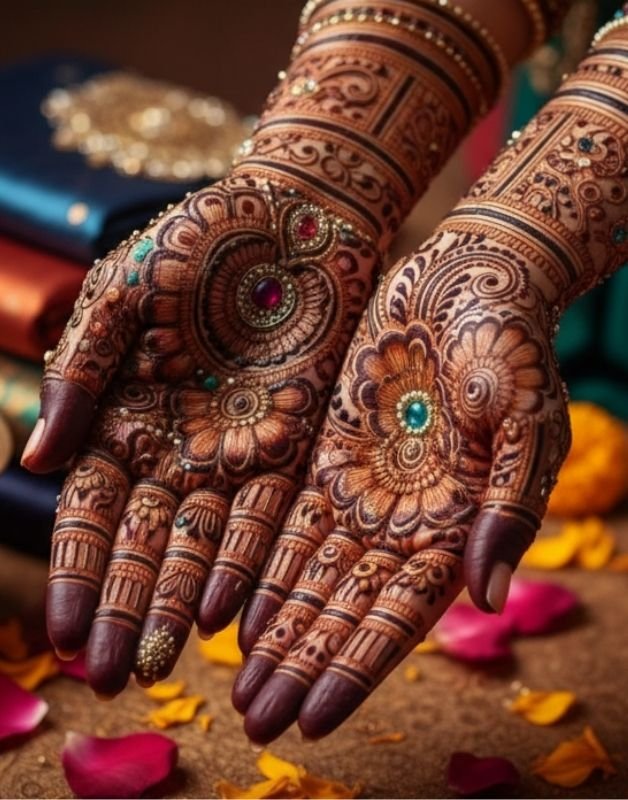
Henna has been adorning hands for centuries, symbolizing joy, celebration, and creativity. Whether it’s for a festival, wedding, or casual event, henna hand art has evolved into a global beauty trend that blends tradition with modern aesthetics. From intricate patterns to minimalistic styles, it’s more than just body decoration it’s a form of self-expression that celebrates culture and individuality.
The Meaning Behind Henna Hand Art
Henna, derived from the Lawsonia inermis plant, has been used for centuries across South Asia, the Middle East, and Africa. The natural dye is prepared from dried henna leaves, forming a paste that stains the skin with beautiful reddish-brown hues.
Henna hand art holds deep cultural significance. In many traditions, it represents good luck, blessings, and protection. For brides, it symbolizes love and prosperity. Beyond culture, henna has found a universal appeal for its temporary, customizable, and artistic beauty.
Why Henna Hand Art Is So Popular
The beauty of henna lies in its versatility. It suits every skin tone, occasion, and personal style. Here are a few reasons why henna hand art remains a beloved choice worldwide:
1. It’s Natural and Safe
Henna is made from natural ingredients, making it skin-friendly and non-permanent a perfect alternative to chemical tattoos.
2. It Celebrates Tradition and Culture
From Indian weddings to Middle Eastern festivals, henna represents happiness and togetherness.
3. It’s a Form of Self-Expression
Henna allows people to showcase their creativity through art. You can design patterns that reflect your personality and taste.
4. It’s Suitable for Everyone
Whether you’re a child, teen, or adult, henna is safe and enjoyable for all ages.
Popular Styles of Henna Hand Art
Henna designs vary from simple motifs to detailed artwork, each with its unique charm. Let’s explore the most popular styles loved across the world.
1. Arabic Henna Art
Arabic henna designs are famous for their bold, flowing lines and empty spaces. The floral patterns and leafy trails usually run diagonally across the hand, creating an elegant yet simple effect.
Best For: Parties, Eid, or quick celebrations.
Pro Tip: Use darker henna for contrast and clean outlines.
2. Indian Henna Art
Indian-style henna is intricate and detailed, often covering the entire palm and fingers. It includes motifs like paisleys, mandalas, and peacocks perfect for brides and festive occasions.
Best For: Weddings and traditional ceremonies.
Pro Tip: Maintain symmetry on both hands for a professional look.
3. Pakistani Henna Designs
Pakistani henna hand art combines Arabic flow with Indian intricacy. These designs are balanced — neither too heavy nor too minimal often featuring floral chains, domes, and mesh-like patterns.
Best For: Semi-formal events and cultural festivals.
Pro Tip: Use a fine-tipped cone for detailed, delicate patterns.
4. Moroccan Henna Art
Moroccan henna stands out with geometric shapes, tribal symbols, and straight lines. It’s bold, edgy, and perfect for those who love modern, artistic looks.
Best For: Contemporary style lovers.
Pro Tip: Combine triangles, diamonds, and dots for a balanced composition.
5. Western Fusion Henna
Modern henna artists often blend traditional motifs with Western aesthetics creating bracelet designs, dreamcatchers, hearts, and mandalas. These are subtle, chic, and perfect for casual wear.
Best For: Photoshoots, beach parties, and fashion events.
Pro Tip: Experiment with glitter or white henna for a unique touch.
Front Hand Henna Art Designs
The front of the hand is often used for detailed and decorative patterns. Here are some elegant ideas to try:
1. Mandala Palm Design
Start with a mandala circle at the center of the palm and extend patterns outward with dots and leaves for a spiritual and balanced look.
2. Heart-Shaped Art
A small heart with leafy trails gives a romantic and minimalist effec perfect for engagements or Valentine’s events.
3. Finger Focus Design
Apply thin lines, vines, or rings on each finger while leaving the palm bare. This style is trendy, clean, and quick to apply.
Back Hand Henna Art Designs
Back-hand henna often complements jewelry and adds grace to your overall look.
1. Bracelet Style Design
Draw a band-like design around the wrist connected with floral trails leading to the fingers — a perfect jewelry illusion.
2. Diagonal Trail
Create a vine or floral chain diagonally across the back of your hand, leaving spaces for elegance and symmetry.
3. Minimal Modern Design
Use small dots, stars, and curves for a subtle, everyday look. Ideal for beginners who want simplicity with beauty.
Simple Henna Hand Art for Beginners
If you’re new to henna, start with easy and manageable patterns. You don’t need to be an artist just steady hands and patience.
1. Floral Chains
Start from the wrist and move toward the fingers using small flower shapes and connecting vines.
2. Single Circle Motif
Draw a central circle on the palm with a few dots and leaves around it minimal yet graceful.
3. Finger Rings
Add line or ring-like designs on fingers. Perfect for a quick, stylish touch.
4. Leafy Bracelet
Wrap a thin vine pattern around the wrist for a delicate, bracelet-like look.
Trendy Henna Hand Art Ideas for 2025
Henna fashion continues to evolve every year. Let’s explore the top henna hand art trends making waves in 2025:
1. Negative Space Designs
Modern designs that leave blank areas between patterns, making them appear fresh and elegant.
2. White Henna Art
White henna (a body-safe paint) gives a chic, bridal-inspired look and is perfect for photo sessions or beach events.
3. Glitter and Gem Embellishments
Add sparkle by placing cosmetic glitter or small gems on your design while the henna is wet.
4. Geometric and Abstract Shapes
Triangles, waves, and asymmetrical lines are becoming favorites for contemporary henna lovers.
5. Minimal Finger Designs
Small motifs limited to the fingertips are trending among those who prefer understated elegance.
How to Apply Henna Hand Art at Home
Creating beautiful henna hand art at home is simple once you learn the basics. Follow this step-by-step guide:
Step 1: Clean Your Hands
Wash your hands thoroughly to remove oil and dirt. Dry them completel clean skin helps the color stick better.
Step 2: Prepare the Henna
Mix natural henna powder with lemon juice, sugar, and essential oil. Leave it for several hours before filling it into cones. You can also use store-bought cones.
Step 3: Practice Before Applying
Before working on your hand, practice small patterns on paper to improve control and precision.
Step 4: Apply Slowly
Start with basic outlines and then fill in smaller details. Use gentle pressure for smooth, even lines.
Step 5: Let It Dry
Allow the henna to dry for at least 3–5 hours. For darker stains, keep it overnight and avoid moving your hands.
Step 6: Remove and Seal
Once dry, gently scrape off the henna instead of washing it with water. Apply a sugar-lemon mix or natural oil for a deeper color.
Tips for Long-Lasting Henna Stains
Everyone wants their henna to last beautifully. Here’s how to ensure a rich, long-lasting color:
- Avoid washing your hands for at least 12 hours after removal.
- Apply coconut or olive oil daily to keep the stain moisturized.
- Keep your hands warm heat deepens the stain.
- Avoid using soap or detergent for the first day.
Henna for Kids and Beginners
Henna hand art is fun for kids too! Choose small, cute designs like stars, hearts, or smiley faces. Always use natural henna avoid “black henna,” which can irritate sensitive skin.
To make it easier, you can also use henna stencils. They create perfect designs without the mess or need for drawing skills
The Cultural and Spiritual Side of Henna Hand Art
Henna is more than decoration it’s a symbol of cultural unity, joy, and celebration. In Indian weddings, brides’ hands and feet are covered with henna as a blessing for happiness and prosperity. In Middle Eastern cultures, it’s used for protection and celebration during Eid or childbirth.
Today, this traditional art has crossed borders, becoming a universal beauty symbol admired worldwide.
Modern Adaptations of Henna Hand Art
Contemporary artists are redefining henna hand art by blending tradition with innovation. Fusion designs mixing Arabic and Indian motifs are now popular. Many also experiment with metallic or pastel henna colors, offering a stylish twist.
Even in Western countries, henna festivals and body art shows feature this ancient art form as a symbol of creativity and cultural appreciation
Final Thoughts
Henna hand art is timeless a blend of heritage, elegance, and personal expression. From ancient rituals to modern trends, it continues to captivate hearts worldwide. Whether you prefer bold, detailed designs or simple, minimalistic patterns, henna allows you to showcase your unique style beautifully. So, grab a cone, unleash your creativity, and transform your hands into a canvas of art. With practice and passion, you’ll discover that henna hand art is not just decoration it’s poetry written on the skin.