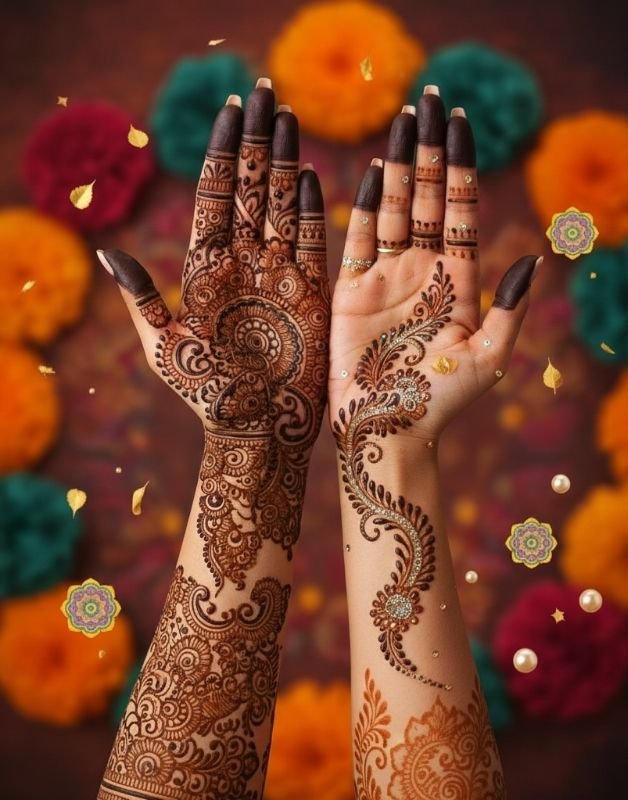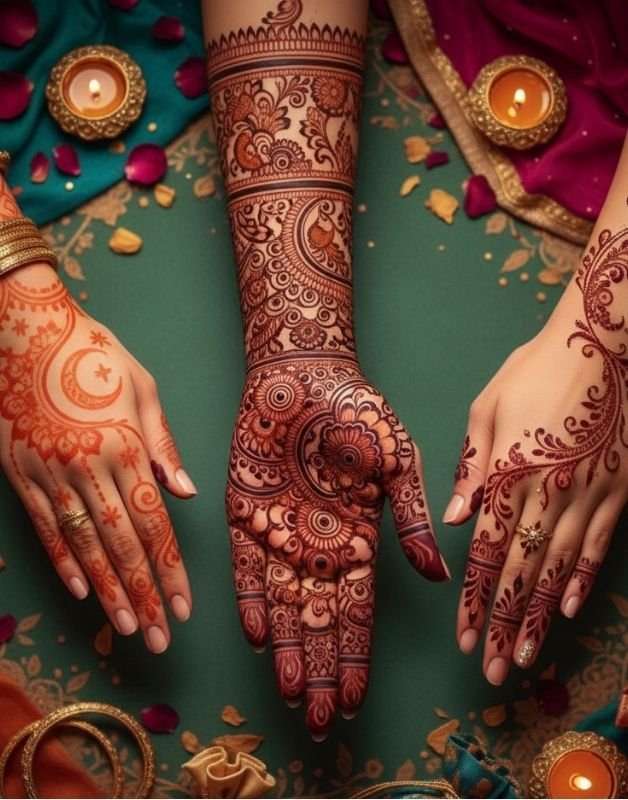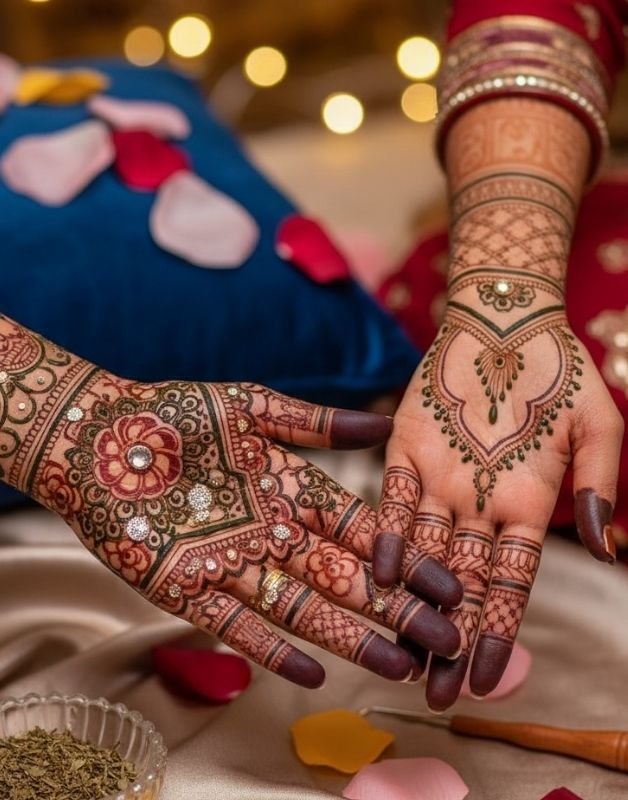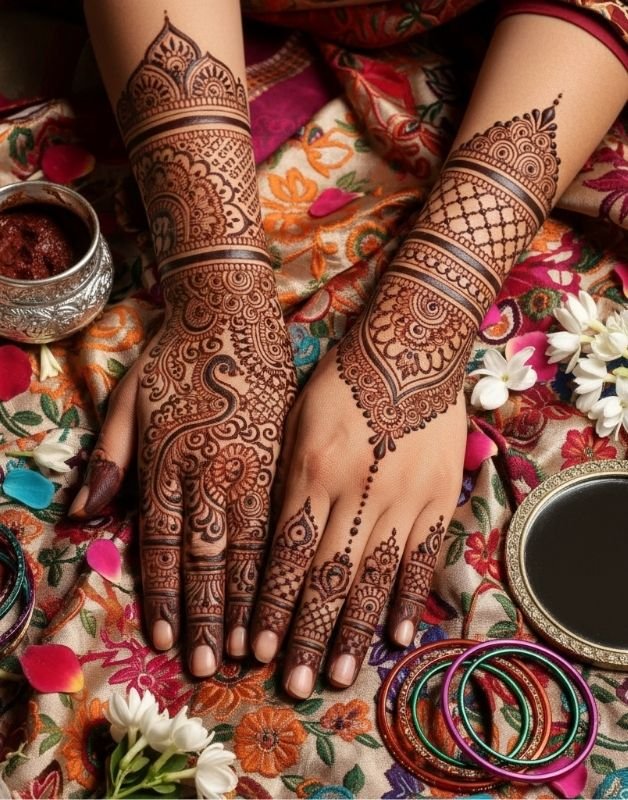
Henna hand art has been a beloved tradition for centuries, symbolizing beauty, celebration, and cultural identity. From intricate bridal patterns to minimal modern strokes, henna designs hold a charm that transcends borders. Today, the art of henna hand decoration has evolved beyond cultural events — it’s now a global fashion trend adored by women and men alike for its natural beauty and expressive style.
What Is Henna Hand Art?
Henna hand art refers to the creative application of henna paste, a natural dye derived from the Lawsonia inermis plant, onto the skin to form decorative designs. The paste leaves behind a temporary stain that varies from deep red-brown to dark maroon, depending on skin type and application technique.
Traditionally, the henna hand is applied during celebrations such as weddings, Eid, Diwali, and festivals marking happiness or good fortune. In recent years, henna has also gained popularity as a form of temporary body art, loved for its organic origins and symbolic beauty.
The Cultural Roots of Henna Hand Art
Henna has deep historical and cultural roots across South Asia, the Middle East, and North Africa. The earliest evidence dates back to over 5,000 years ago in ancient Egypt, where henna was used to adorn hands and feet, and even to dye the hair of pharaohs.
In South Asian Culture
In countries like India and Pakistan, henna hand designs — known as mehndi — hold great significance. Brides adorn their hands and feet with elaborate henna patterns before the wedding. It is said that the darker the henna stain, the stronger the love between the couple!
In Arabic Traditions
Arabic henna hand designs are admired for their flowing floral patterns and elegant curves. These designs are usually less dense and more spaced out, giving a sophisticated and modern look.
In African Culture
African henna, particularly from Morocco and Sudan, often features bold geometric patterns and tribal motifs, symbolizing strength, fertility, and protection.
Each region has added its own artistic touch to henna hand design, making it a beautiful cultural blend of creativity and meaning.
The Meaning Behind Henna Hand Designs
Henna hand designs are not just decorative — they carry symbolic meanings. Each motif has a special interpretation rooted in ancient traditions.
Common Symbols and Their Meanings
- Peacock – Beauty and grace
- Paisley – Fertility and good fortune
- Flowers – Happiness and new beginnings
- Mandala – Spiritual balance and unity
- Vines and leaves – Longevity and devotion
- Sun and moon motifs – Eternal love and togetherness
These patterns reflect the artist’s creativity and the wearer’s emotions, often making each henna hand design a personal and meaningful work of art.
Different Styles of Henna Hand Designs
The beauty of henna hand art lies in its diversity. From traditional to contemporary, there’s a design for every mood, occasion, and personality.
1. Traditional Indian Henna Hand Designs
Known for their detailed and symmetrical patterns, Indian henna hand designs cover the palms, fingers, and wrists with motifs such as mandalas, elephants, and bridal names hidden within the artwork. These designs are usually dense and intricate, symbolizing love, prosperity, and devotion.
2. Arabic Henna Hand Designs
Arabic styles focus on bold floral patterns and free-flowing vines, often applied only on one side of the hand. They are ideal for modern occasions because they are elegant yet simple — perfect for those who love minimalism with a touch of tradition.
3. Indo-Arabic Fusion Designs
This hybrid style combines the detailed complexity of Indian patterns with the bold aesthetics of Arabic art. The result is a striking balance of fullness and flow — ideal for parties, engagements, and semi-formal events.
4. African Henna Hand Designs
African designs use large geometric shapes and dotted patterns. The symmetry and precision of these designs create a bold statement. Often, black henna is used to give a darker, more dramatic appearance.
5. Modern and Minimal Henna Hand Designs
For those who prefer a subtle touch, minimal henna designs are perfect. Simple dots, lines, tiny hearts, and floral outlines can beautifully enhance your hands without overpowering your overall look. These are especially popular among younger audiences and influencers on social media.
How to Apply Henna on Hands: Step-by-Step Guide
Creating the perfect henna hand design requires patience, precision, and care. Here’s a simple step-by-step guide for beginners:
Step 1: Prepare the Henna Paste
You can buy ready-made cones or prepare the paste at home by mixing henna powder, lemon juice, sugar, and a few drops of essential oil (like eucalyptus or lavender). Let it sit overnight for best results.
Step 2: Clean Your Hands
Before applying, wash your hands thoroughly to remove oil or lotion. Dry completely to ensure better absorption of the dye.
Step 3: Apply the Design
Use a henna cone to draw patterns on your hand. Start from the wrist and move toward the fingertips. You can use stencils if you’re a beginner.
Step 4: Let It Dry
Allow the paste to dry naturally for at least 4–6 hours. Avoid contact with water during this time. For a deeper stain, some prefer keeping it overnight.
Step 5: Remove the Paste
Scrape off the dried paste gently — don’t wash it off immediately. Apply a mixture of lemon juice and sugar or natural oils like coconut oil to darken the color.
Step 6: Enjoy the Stain
The stain will initially appear orange and gradually turn dark brown or maroon within 24–48 hours.
Tips for a Dark and Long-Lasting Henna Hand Stain
To make your henna hand color darker and last longer, follow these expert tips:
- Keep your hands warm. Heat helps intensify the henna stain.
- Use natural oils like clove or coconut oil before applying water to protect the stain.
- Avoid washing with soap for the first 24 hours after removing the paste.
- Apply lemon-sugar syrup while the paste is drying — it seals the design and improves longevity.
- Store your henna properly. Keep cones refrigerated to preserve freshness.
With the right care, your henna can last beautifully for up to two weeks!
Latest Trends in Henna Hand Designs
The world of henna hand art is constantly evolving with fashion and creativity. Here are some of the hottest trends taking over in 2025:
1. White Henna Designs
White henna (actually body paint) is making waves for its elegant, bridal look — especially when paired with white gowns or summer outfits.
2. Glitter Henna
Adding glitter dust to fresh henna gives a sparkly finish perfect for parties, music festivals, and photo shoots.
3. Finger-Tip Designs
Minimal designs focusing only on fingers and cuticles are trending among fashion enthusiasts for their sleek and chic appeal.
4. Bridal Personalization
Modern brides love customizing their henna with initials, love stories, or miniature portraits, making each design truly unique.
5. Fusion Patterns
Designers are blending motifs from different cultures — think Indian paisleys with Moroccan geometry — to create a global artistic fusion.
Henna Hand Care: Before and After Application
Maintaining your henna both before and after application ensures beautiful, lasting results.
Before Application
- Exfoliate hands to remove dead skin.
- Avoid lotions or oils before applying.
- Test a small patch if you’re using a new henna brand.
After Application
- Avoid water for 12–24 hours.
- Moisturize regularly with natural oils.
- Protect from chlorine or strong soaps.
Proper care can enhance the richness and beauty of your henna hand, keeping it vibrant for days.
DIY Henna Hand Designs for Beginners
If you’re just starting out, here are a few easy henna hand ideas you can try at home:
1. Mandala Palm Design
Start with a circle in the middle of your palm and add petals, dots, and small rings outward — creating a balanced and eye-catching mandala.
2. Floral Vine Design
Draw a vine from your wrist to your fingertip, adding leaves and tiny buds along the way — simple yet elegant.
3. Minimal Finger Dots
Add small dots and geometric lines on fingers for a trendy and understated look.
4. Bracelet and Ring Pattern
Create a bracelet-style design around your wrist with connecting lines up to your fingers — it gives a jewelry-like effect.
These designs are perfect for casual wear or festive days when you want to keep it quick yet beautiful.
Natural vs. Chemical Henna: What You Should Know
When it comes to henna hand art, it’s crucial to use natural henna. Some products labeled “black henna” may contain harmful chemicals like para-phenylenediamine (PPD) that can cause allergies or burns.
Natural Henna
- Derived from henna leaves
- Safe and skin-friendly
- Produces a reddish-brown stain
Chemical or Black Henna
- Often mixed with synthetic dyes
- Can cause rashes or permanent scars
- Should be avoided for skin application
Always choose pure, organic henna from trusted sources for a safe and authentic experience.
Conclusion: Celebrate Yourself with Henna Hands
Henna hand art is more than a beauty ritual — it’s a celebration of culture, creativity, and individuality. Whether you prefer bold traditional patterns or sleek modern minimalism, henna offers endless possibilities to express yourself naturally.
As you explore different henna hand designs, remember that every swirl, dot, and petal tells a story — your story. So, embrace this timeless tradition, experiment with styles, and let your hands become a canvas of beauty and heritage.