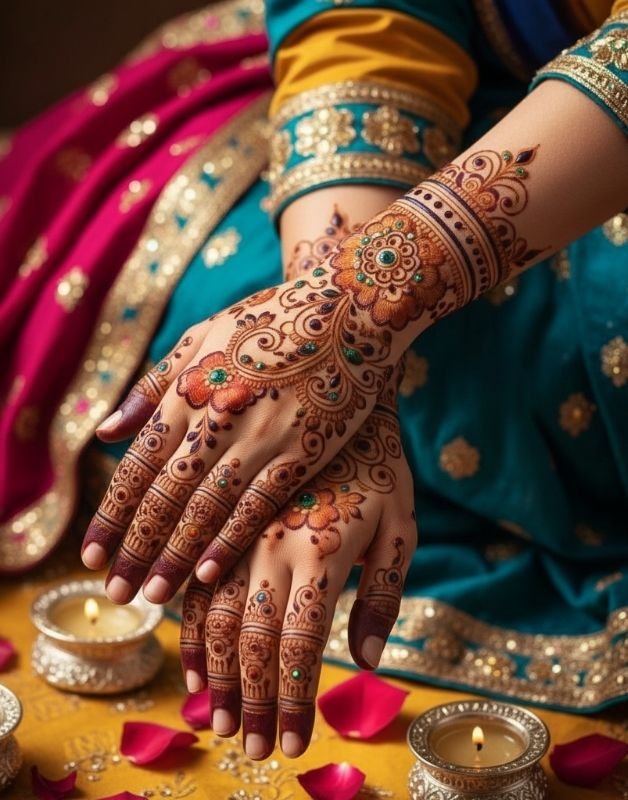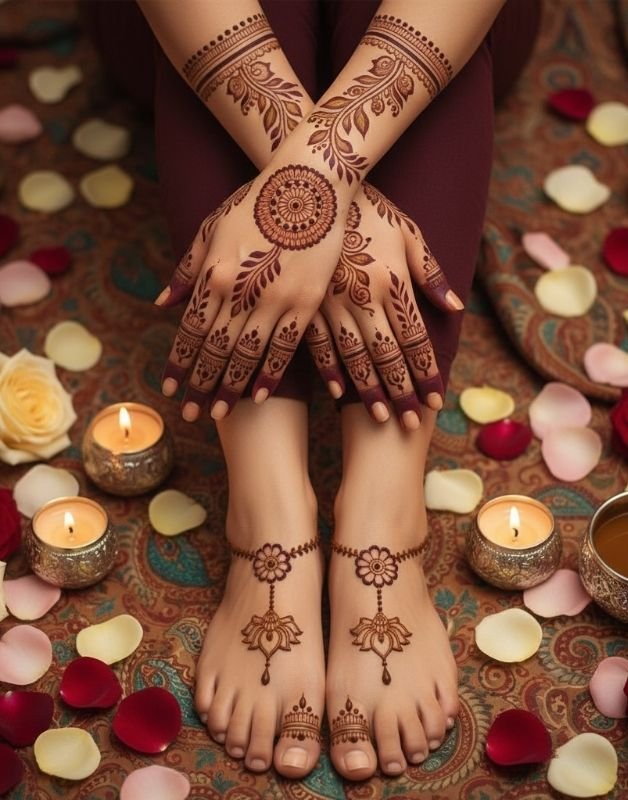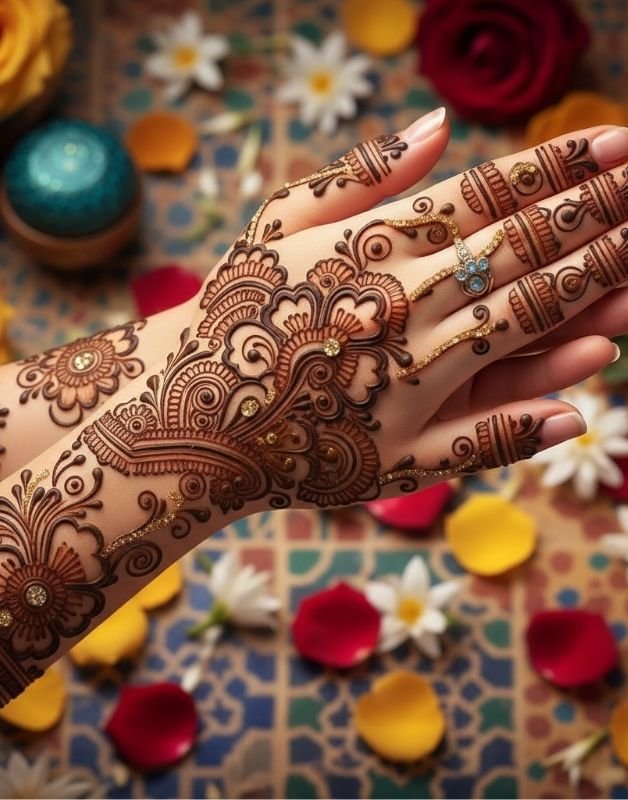
Arabic mehndi designs are loved worldwide for their elegance, flowing patterns, and artistic beauty. Known for their bold strokes and floral trails, these designs perfectly balance tradition with modern minimalism. Whether you’re preparing for a wedding, festival, or just want to adorn your hands beautifully, Arabic mehndi designs offer a timeless touch of grace that never goes out of style.
What Makes Arabic Mehndi Designs Unique?
Arabic mehndi designs stand out for their simplicity, bold outlines, and spacious layouts. Unlike Indian mehndi patterns that are often dense and detailed, Arabic styles focus on open spaces that highlight the beauty of each motif. These designs are inspired by floral patterns, vines, leaves, and geometric elements, creating a flowing and balanced appearance.
Their beauty lies in how effortlessly they enhance the hands and feet. You don’t need hours of work or years of practice — even beginners can try these designs and get professional-looking results.
The Origin and Evolution of Arabic Mehndi Designs
Henna has been an integral part of Middle Eastern culture for centuries, used in weddings, festivals, and celebrations. The Arabic mehndi design style originated in the Arab world, particularly in countries like Saudi Arabia, UAE, and Oman. Over time, these patterns spread to South Asia, North Africa, and beyond — evolving with local traditions.
Today, Arabic mehndi has become a global trend, loved for its versatility. From minimal everyday designs to elaborate bridal patterns, Arabic mehndi beautifully merges tradition with fashion, appealing to all generations.
Key Features of Arabic Mehndi Designs
Here’s what makes Arabic mehndi designs so distinct and attractive:
- Bold and Clear Lines: The outlines are darker and thicker than other mehndi styles.
- Floral and Leafy Patterns: Common motifs include roses, leaves, vines, and petals.
- Flowing Trails: The designs often flow diagonally across the hand or arm.
- Minimal Filling: There’s a balance of detailed art and empty space for contrast.
- Quick to Apply: Because of their simplicity, Arabic designs take less time to create.
This combination of beauty and ease makes Arabic mehndi designs a favorite among women who want elegant results without too much effort.
Popular Styles of Arabic Mehndi Designs
Arabic mehndi is not limited to one look — it offers a wide range of patterns, each suited for different preferences and occasions.
1. Traditional Arabic Mehndi Designs
Traditional Arabic mehndi features large floral motifs and vine trails running from the wrist to the fingertips. These designs are usually asymmetrical and leave portions of the skin visible, creating a bold yet airy appearance.
They’re perfect for festivals like Eid, Diwali, or engagement parties where you want a classic, graceful look.
2. Modern Arabic Mehndi Designs
Modern Arabic mehndi combines traditional elements with contemporary aesthetics. You’ll often see geometric shapes, dotted accents, and clean lines that look elegant and sophisticated.
These designs are ideal for casual events or photoshoots, especially when paired with stylish outfits and minimal jewelry.
3. Bridal Arabic Mehndi Designs
For brides, Arabic mehndi is an excellent choice because it’s both beautiful and manageable. Bridal Arabic designs usually extend from the fingertips to the arms, featuring intertwined flowers, hearts, paisleys, and mandalas.
The combination of thick outlines and detailed fillings gives brides a regal yet modern appearance — perfect for wedding ceremonies and photos.
4. Indo-Arabic Mehndi Designs
The Indo-Arabic style blends the dense detailing of Indian mehndi with the flowing boldness of Arabic art. It features filled fingertips, intricate mandalas, and symmetrical arrangements.
This hybrid design style is ideal for anyone who wants to experiment with fusion art — traditional yet trendy.
5. Minimal Arabic Mehndi Designs
Minimalism is trending everywhere, and mehndi art is no exception. Minimal Arabic mehndi designs focus on small, clean motifs like single flowers, leafy lines, or bracelet-style bands.
They’re quick, elegant, and perfect for modern women who love simplicity. You can wear these designs to work, family gatherings, or even casual outings.
6. Full-Hand Arabic Mehndi Designs
If you want a bold and glamorous look, full-hand Arabic designs are the way to go. These patterns usually cover the entire palm and extend up to the wrist, with large floral motifs and intricate vines that create a royal look.
Despite covering more area, the designs remain airy and light due to strategic spacing — a hallmark of Arabic art.
7. Back-Hand Arabic Mehndi Designs
Back-hand designs are especially popular among young women. The patterns often run diagonally, starting from one finger and extending toward the wrist. They look like natural jewelry and enhance the beauty of your hands for photos and celebrations.
8. Foot Arabic Mehndi Designs
Arabic mehndi isn’t just for hands — it looks equally gorgeous on the feet. The designs here usually feature anklet-style bands, floral clusters, or geometric lines. Brides and festive-goers often love these delicate foot patterns that complete the traditional look.
Step-by-Step Guide to Apply Arabic Mehndi Designs
If you’re new to mehndi, Arabic designs are perfect for starting your journey. Here’s a simple step-by-step guide to applying them:
Step 1: Prepare the Mehndi Cone
Use a fresh henna cone or make your own by mixing natural henna powder, lemon juice, and essential oils like eucalyptus. Let it rest overnight for rich color.
Step 2: Clean and Dry Your Hands
Wash your hands thoroughly to remove oils and dirt. Dry completely before starting to ensure the mehndi adheres well.
Step 3: Choose a Design
Select a simple Arabic mehndi pattern — such as floral trails or vines — from a reference image. Start small and build confidence.
Step 4: Apply with Gentle Pressure
Hold the cone lightly and draw thick outlines first. Then, fill in details using thinner lines or small dots.
Step 5: Let It Dry Naturally
Allow your mehndi to dry for 4–6 hours. Avoid touching or washing your hands during this time.
Step 6: Remove the Paste
Scrape off the dried paste — don’t wash it off immediately. Apply a mixture of lemon juice and sugar or clove oil to darken the stain.
Step 7: Enjoy the Color
Within 24–48 hours, the design will darken into a rich brown shade.
Tips for Dark and Long-Lasting Arabic Mehndi
Here are some expert tips to keep your Arabic mehndi design dark, shiny, and long-lasting:
- Keep your hands warm while the mehndi dries — heat deepens the color.
- Avoid washing your hands with soap for the first 24 hours.
- Apply coconut or clove oil before exposure to water.
- Use natural henna — it stains better than chemical alternatives.
- Wrap your hands overnight with tissue or plastic to lock in warmth and moisture.
With these tricks, your mehndi will stay dark and beautiful for up to two weeks
Latest Trends in Arabic Mehndi Designs
The mehndi world continues to evolve with fresh and exciting trends. Here are some of the most popular Arabic mehndi trends of 2025:
1. Glitter Arabic Mehndi
Adding glitter to your fresh mehndi design gives it a festive, glamorous touch — perfect for parties and weddings.
2. White Arabic Mehndi
White henna (actually body paint) creates a sophisticated and modern look, often paired with white or pastel outfits for brides and bridesmaids.
3. Negative Space Designs
These designs leave intentional blank spaces between motifs, enhancing the overall contrast and giving a contemporary twist to traditional patterns.
4. Finger-Focused Designs
Modern Arabic designs often emphasize the fingers, creating jewelry-like patterns that are minimal yet eye-catching.
5. Fusion of Geometric and Floral Patterns
Combining geometric shapes with floral trails brings a modern edge to traditional Arabic mehndi art.
6. Metallic Mehndi
Using metallic body paints with Arabic patterns is becoming trendy, especially for fashion shoots and stage events.
Occasions to Wear Arabic Mehndi Designs
Arabic mehndi is versatile and suitable for almost any event. Here’s how you can match designs to occasions:
- Eid or Ramadan: Elegant floral trails or half-hand patterns.
- Weddings: Full-hand Arabic designs with bold floral and leafy motifs.
- Festivals (Diwali, Karva Chauth): Bracelet or mandala-style mehndi.
- Casual Gatherings: Minimal finger or ring-style patterns.
- Bridal Showers or Engagements: Personalized designs with initials or hearts.
No matter the event, Arabic mehndi designs add a touch of grace and tradition to your celebration.
Arabic Mehndi vs. Indian Mehndi: Key Differences
Both styles are stunning, but they differ in their artistic approach.
| Feature | Arabic Mehndi | Indian Mehndi |
| Design Style | Bold and spaced | Dense and detailed |
| Patterns | Floral and leafy trails | Mandalas, peacocks, paisleys |
| Application Time | Quick and simple | Time-consuming |
| Color Intensity | Bold outlines | Even shading |
| Ideal For | Modern, elegant looks | Traditional bridal events |
Arabic mehndi’s versatility and quick application make it perfect for today’s fast-paced lifestyle while keeping the traditional charm intact.
Safety Tips: Go Natural with Arabic Mehndi
When choosing mehndi, always go for natural, chemical-free henna. Some products labeled as “black henna” contain harmful chemicals like PPD (para-phenylenediamine) that can cause allergies or burns.
Natural Mehndi
- Made from henna leaves.
- Safe for skin.
- Gives reddish-brown color.
Chemical Mehndi
- Contains artificial dyes.
- Can cause irritation.
- Produces unnatural color instantly.
Always test a small patch before applying mehndi to ensure your skin reacts safely.
DIY Arabic Mehndi Design Ideas for Beginners
Want to try it yourself? Here are a few simple Arabic patterns to begin with:
- Diagonal Floral Trail: Start from one corner of your palm and draw connected flowers diagonally up to your index finger.
- Wrist Bracelet Design: Create circular bands around your wrist with leafy trails extending upward.
- Half-Palm Pattern: Draw a large flower in the middle and add small leaves toward the fingers.
- Finger Rings: Add dots, tiny leaves, or loops along each finger for a minimal yet elegant touch.
These easy ideas help you practice control and creativity while enjoying the soothing art of mehndi.
Conclusion: The Timeless Allure of Arabic Mehndi Designs
Arabic mehndi designs beautifully blend art, tradition, and modern elegance. Their bold strokes, flowing patterns, and open spaces make them suitable for every occasion — from festive celebrations to daily wear.
Whether you love minimal finger art or grand bridal motifs, Arabic mehndi designs let you express your personality through creativity. Each curve and petal tells a story — of beauty, culture, and grace.
So next time you pick up a mehndi cone, let your hands become the canvas for timeless Arabic artistry that never fails to impress.