
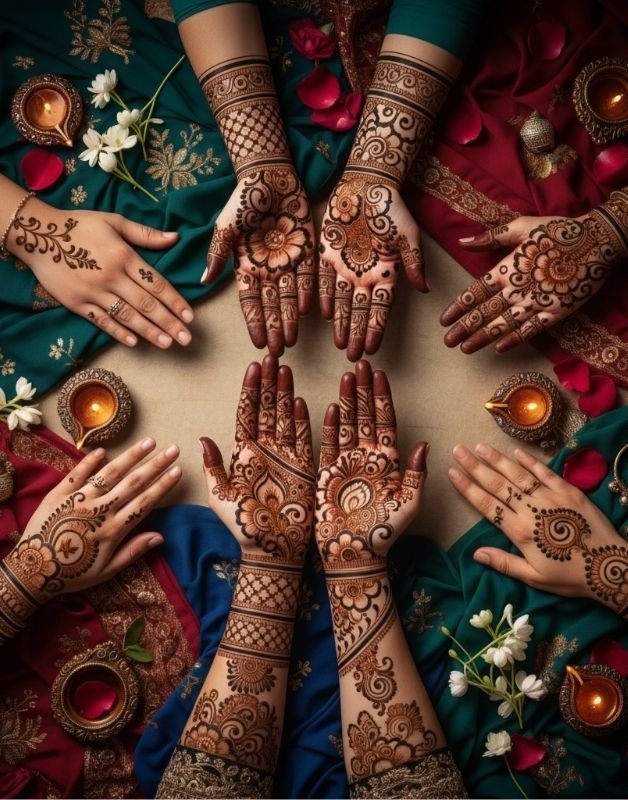
Henna hand designs have been cherished for centuries as a form of self-expression, beauty, and cultural celebration. Whether it’s for weddings, festivals, or casual occasions, henna has always added a magical touch to every hand it decorates.
The rich brown or reddish stain of henna doesn’t just look beautiful — it also carries deep cultural meaning. Across countries like India, Pakistan, Morocco, and the Middle East, henna hand designs represent love, luck, and happiness.
The History and Significance of Henna Hand Designs
Henna, derived from the Lawsonia inermis plant, has been used for over 5,000 years. It was first applied for cooling and healing the skin but gradually became a symbol of beauty and festivity.
In many cultures, henna is a crucial part of life’s biggest celebrations — weddings, religious holidays, and milestones. The practice of applying henna hand designs is seen as a way to bring blessings and joy to both the wearer and the artist.
In modern times, henna has transcended cultures and become a global fashion trend, admired for its elegance and natural artistry.
Popular Types of Henna Hand Designs
Henna designs vary in style, complexity, and symbolism. Each region has developed its own unique artistic identity, making henna a beautiful blend of traditions and trends.
1. Arabic Henna Hand Designs
Arabic designs are among the most popular worldwide because of their bold, flowing, and floral patterns. These designs typically feature thick outlines and empty spaces, creating a dramatic yet elegant look.
Key Features
- Bold floral trails extending from fingers to wrist.
- Large, leafy vines and paisleys.
- Quick to apply and suitable for any occasion.
Arabic henna hand designs are perfect for those who love simplicity with a statement.
2. Indian Henna Hand Designs
Indian designs are intricate and detailed, often covering the entire hand with motifs inspired by tradition and folklore.
Highlights
- Filled-in palms with peacocks, paisleys, and mandalas.
- Fine detailing with no empty spaces.
- Often includes symbolic motifs like the bride and groom.
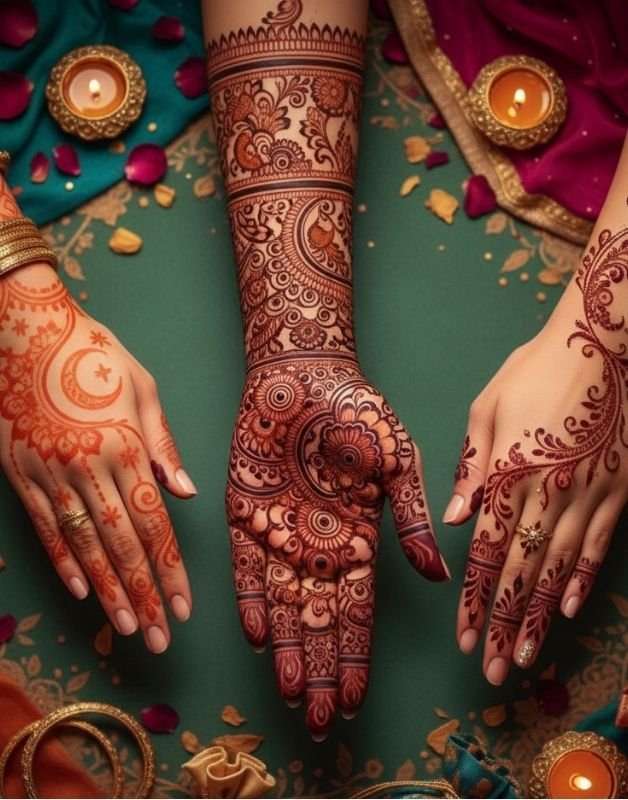
Indian henna art reflects culture, storytelling, and celebration — especially for weddings and festivals.
3. Moroccan Henna Hand Designs
Moroccan patterns are bold and geometric, perfect for those who prefer modern and edgy designs.
Characteristics
- Straight lines, triangles, and diamond patterns.
- Minimal floral work.
- Looks great on both men and women.
These designs combine traditional heritage with a contemporary twist, making them ideal for fashion-forward individuals.
4. Indo-Arabic Henna Designs
A fusion of Indian and Arabic styles, this type of design features the best of both worlds — intricate detailing and clean, bold outlines.
Why People Love Indo-Arabic Designs
- Elegant yet quick to apply.
- Balanced combination of shading and bold lines.
- Perfect for engagements, sangeet, or festive occasions.
This hybrid style is versatile and timeless, offering elegance for any celebration.
5. Western Henna Designs
Modern Western designs are minimalist and inspired by tattoos. They use small, delicate motifs that can be worn daily.
Common Patterns
- Tiny hearts, stars, moons, and mandalas.
- Wrist cuffs or finger rings drawn with henna.
- Boho-chic patterns perfect for casual wear.
These henna hand designs appeal to people who love subtle, stylish body art without commitment.
Henna Hand Designs for Different Occasions
Whether it’s a festival, wedding, or casual outing, there’s a henna design for every mood and moment.
1. Bridal Henna Designs
Bridal henna is a tradition rooted in love and celebration. Brides often adorn their hands and feet with elaborate designs featuring romantic symbols like hearts, initials, and mandalas.
Features of Bridal Henna
- Full-hand and full-arm coverage.
- Custom initials of the bride and groom.
- Traditional motifs like dhol, kalash, or elephants.
These intricate designs symbolize love, prosperity, and happiness in marriage.
2. Festival Henna Designs
Festivals like Eid, Diwali, and Karva Chauth are incomplete without henna. For festive occasions, women prefer light and elegant patterns that can be applied quickly yet look festive.
Trendy Festival Styles
- Half-hand Arabic vines.
- Mandala center designs.
- Finger-focused floral trails.
Such designs are ideal for adding a hint of tradition without going overboard.
3. Party or Casual Henna Designs
For parties or everyday wear, minimal designs are trending. You can opt for simple wrist cuffs, leafy finger trails, or tiny mandalas.
These henna hand designs are chic, elegant, and perfect for adding charm to any outfit.
4. Engagement or Anniversary Henna
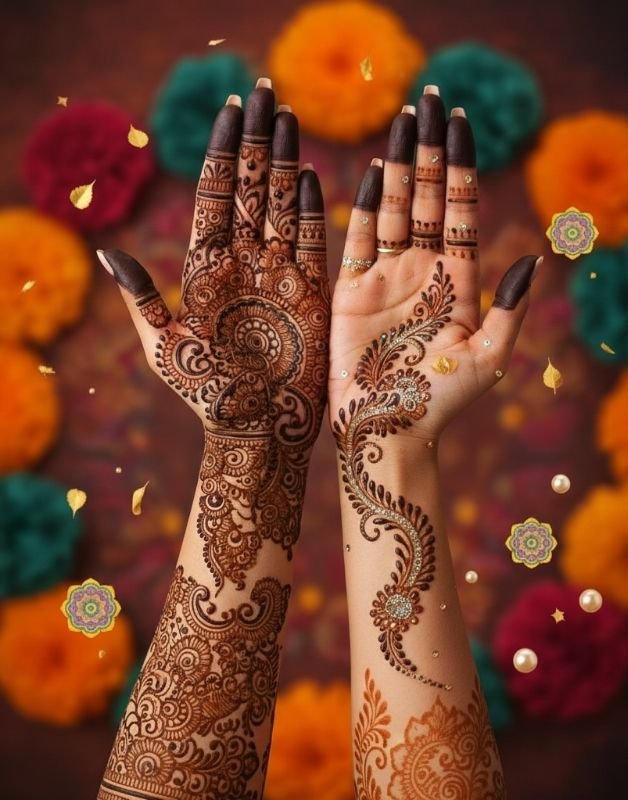
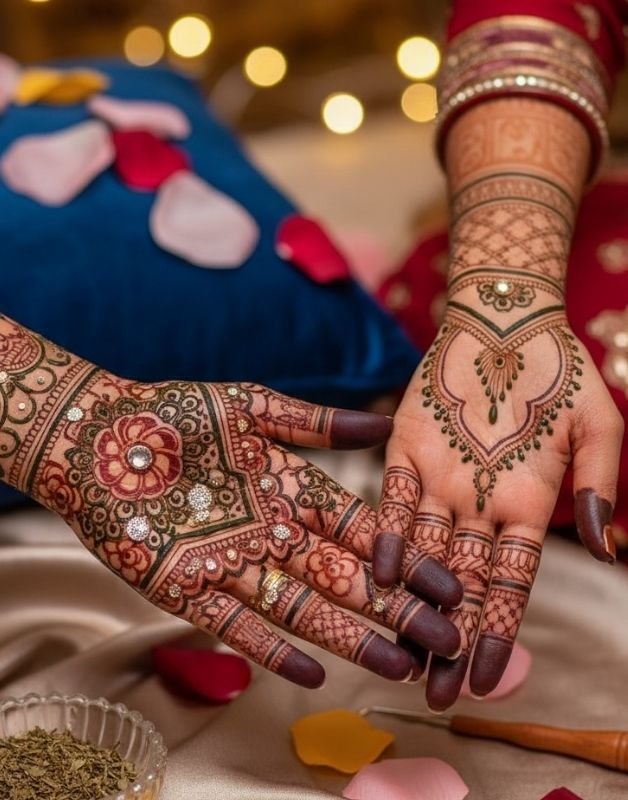
Heart motifs, initials, and elegant symmetrical patterns are perfect for engagements or romantic occasions. Add glitter or white henna for a glamorous touch.
Trending Henna Hand Designs in 2025
As fashion evolves, henna trends are becoming more creative and personalized. Here are the most popular henna hand designs for 2025:
1. Minimal Mandala Designs
A single mandala at the center of the palm surrounded by tiny dots or vines is gaining popularity for its simplicity and elegance.
2. Bracelet and Ring-Style Henna
This design mimics jewelry — bracelets around the wrist with connecting finger designs — ideal for bridesmaids or parties.
3. Negative Space Designs
Using gaps or empty areas in the pattern creates a modern, airy effect, highlighting the beauty of simplicity.
4. Glitter and White Henna
While not traditional, white and glitter henna are trendy for photoshoots and parties, adding a fashionable twist.
5. Finger Henna Designs
Minimal trails or leafy finger bands are social-media favorites. They look clean, stylish, and modern.
How to Apply Henna Hand Designs at Home
Applying henna at home is fun and relaxing. Here’s a simple step-by-step guide to get salon-quality results.
1. Prepare the Henna Paste
Mix natural henna powder with lemon juice, sugar, and a few drops of eucalyptus oil. Let it rest for 6–8 hours before use.
2. Clean Your Hands
Wash your hands to remove oils or lotions, as they can block color absorption.
3. Use a Quality Henna Cone
Make sure your henna cone has a fine tip for precise control. Test the flow on paper before starting.
4. Start Simple
If you’re a beginner, begin with basic patterns like dots, flowers, or vines. With practice, you can move on to more complex motifs.
5. Let It Dry Naturally
Allow the henna to dry for 2–3 hours. Avoid blow dryers — natural air gives a better stain.
6. Enhance the Color
Apply a mixture of lemon and sugar once the paste starts drying. After removing the dried paste, rub coconut or mustard oil for a deeper stain.
Care Tips for Long-Lasting Henna
- Avoid washing your hands for 6–8 hours after application.
- Keep hands warm — heat helps deepen the color.
- Apply balm or oil daily to preserve the stain.
- Avoid scrubbing the skin excessively.
With proper care, your henna hand designs can last up to two weeks!
Tips for Choosing the Perfect Henna Hand Design
Choosing the right henna design depends on the occasion, your style, and even your hand shape.
1. Match Your Occasion
Heavy designs for weddings, moderate ones for festivals, and minimal for daily wear.
2. Know Your Style
If you love modern looks, go for geometric or bracelet patterns. For traditional vibes, try floral and mandala motifs.
3. Customize Your Design
Add initials, hearts, or symbols to make your henna unique.
4. Experiment with Color
Classic red-brown is timeless, but try black, white, or glitter henna for trendy looks.
Henna Hand Designs for Beginners
If you’re just starting, don’t worry — simple patterns can be equally beautiful.
Easy Ideas
- Single flower on the palm.
- Finger vine trails.
- Mini mandala surrounded by dots.
- Bracelet-style wrist bands.
Practice makes perfect, so start slow and enjoy the creative process.
Global Popularity of Henna Art
Henna has gone global! From Hollywood celebrities to fashion runways, henna hand designs are making waves across cultures.
In Western countries, people use henna for festivals, music events, and beach parties. Temporary tattoos inspired by henna are popular among all age groups — proving this ancient art truly has universal appeal.
Symbolism Behind Henna Patterns
Each pattern in henna carries meaning. Understanding them adds a deeper connection to your design.
- Flowers: Joy and happiness.
- Paisleys: Fertility and luck.
- Mandala: Spiritual balance.
- Vines and Leaves: Growth and connection.
- Peacock: Beauty and love.
Knowing the symbolism allows you to personalize your design with intention.
Why Henna Hand Designs Are Forever in Style
The charm of henna never fades. From traditional weddings to modern parties, henna continues to symbolize culture, beauty, and celebration.
It’s natural, safe, and temporary — giving you endless opportunities to experiment with creativity. In a world full of fast-changing beauty trends, henna hand designs remain a timeless form of self-expression.
Conclusion: Embrace the Art of Henna
Henna is more than just a design — it’s an emotion, a tradition, and an art that connects generations. Whether you prefer bold Arabic trails, delicate mandalas, or modern minimal patterns, henna allows you to wear art on your skin.
So, pick up a cone, express your creativity, and let your henna hand designs tell your story — one elegant curve at a time.
Pingback: Elegant Mehndi Design Simple Ideas for Every Occasion